

This blog article was written in collaboration with the University of Portsmouth
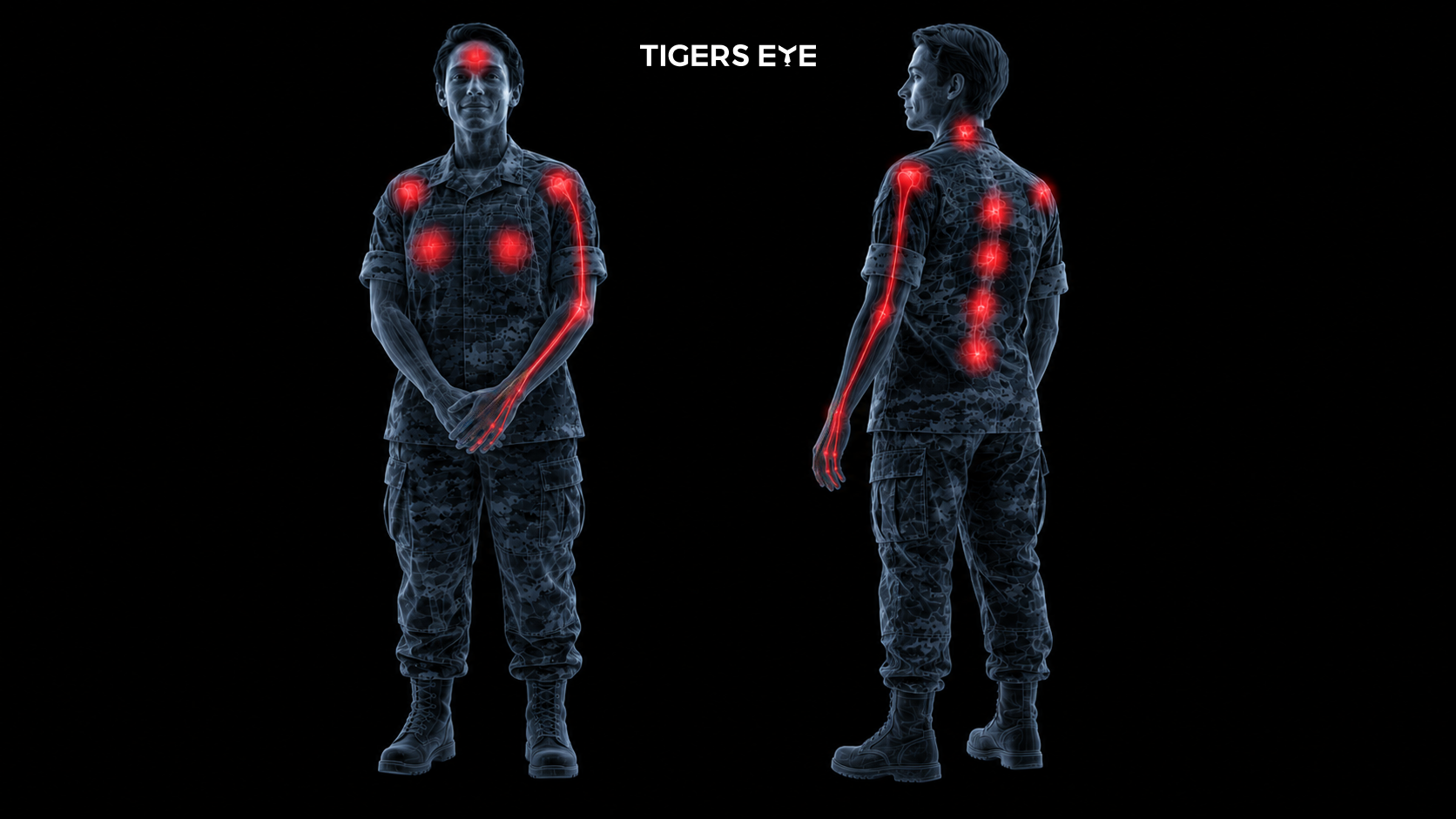
Across police and military settings, the need for effective breast support is becoming increasingly recognised as a matter of performance, comfort and safety. In a recent study conducted by the University of Portsmouth, 60% of British Army recruits reported pain, insufficient support or injury despite receiving professionally fitted sports bras (Paines et al., 2025). The study underscores a key issue: many sports bras, while suitable for athletic activity, are not designed for the high-impact, load-bearing and prolonged demands (such as the need for lasting comfort, durability and hygiene) of occupational roles such as soldiering. No biomechanical research has investigated how different bras types interact with body armour despite women in occupational roles being required to wear it - until now.

Leading expert in functional breast support for occupational roles
Meet Dr. Jenny Burbage, a world-leading expert in functional breast support for occupational roles within the Research Group in Breast Health (RGBH) at the University of Portsmouth.
“Police and military activity is physically demanding, with women often having to perform strenuous activities, like running and self-defence.”
“Without the right breast support, a female [critical service member] is restricted physically, mentally, and also at a greater risk of being injured because they’re not properly fitted and protected.” - Dr. Burbage
Dr. Burbage began her research career investigating how sports bras influence movement and performance in athletes, with a focus on understanding breast support needs in sport. Her work later expanded into occupational settings when the British Army approached her at an industry workshop, creating an opportunity to explore the functional bra requirements of women working in physically demanding roles. The interaction between bras and body armour is a developing area of her research, and one she has since begun investigating to address the unmet needs of women required to wear protective equipment as part of their job.
The evidence: how bras interact with police & military kit
When it comes to choosing the right bra to wear under body armour, education is crucial. A national police study looking at the interaction between bras and equipment found that only 17% of female police officers wear a sports bra while on duty, with the main bra type (71%) being underwired. A subsequent study suggested that female officers described underwire bras to be the least supportive, least comfortable and the most painful to wear. The underwire can create pressure points, lead to chafing and irritation, and sometimes even impale women on duty. All these issues come together to negatively impact their ability to perform to the highest standard, putting their health and safety at risk.
A more recent study led by Dr. Burbage as part of the NEPRO3 project looking into breast health and body armour in occupational roles, further supported previous studies by proving that biomechanically, the underwire bras are indeed the least supportive. In addition, this study also shows that although high-impact combination style bras were the most supportive, they were not the most comfortable for female police officers wearing body armour as officers felt too compressed.
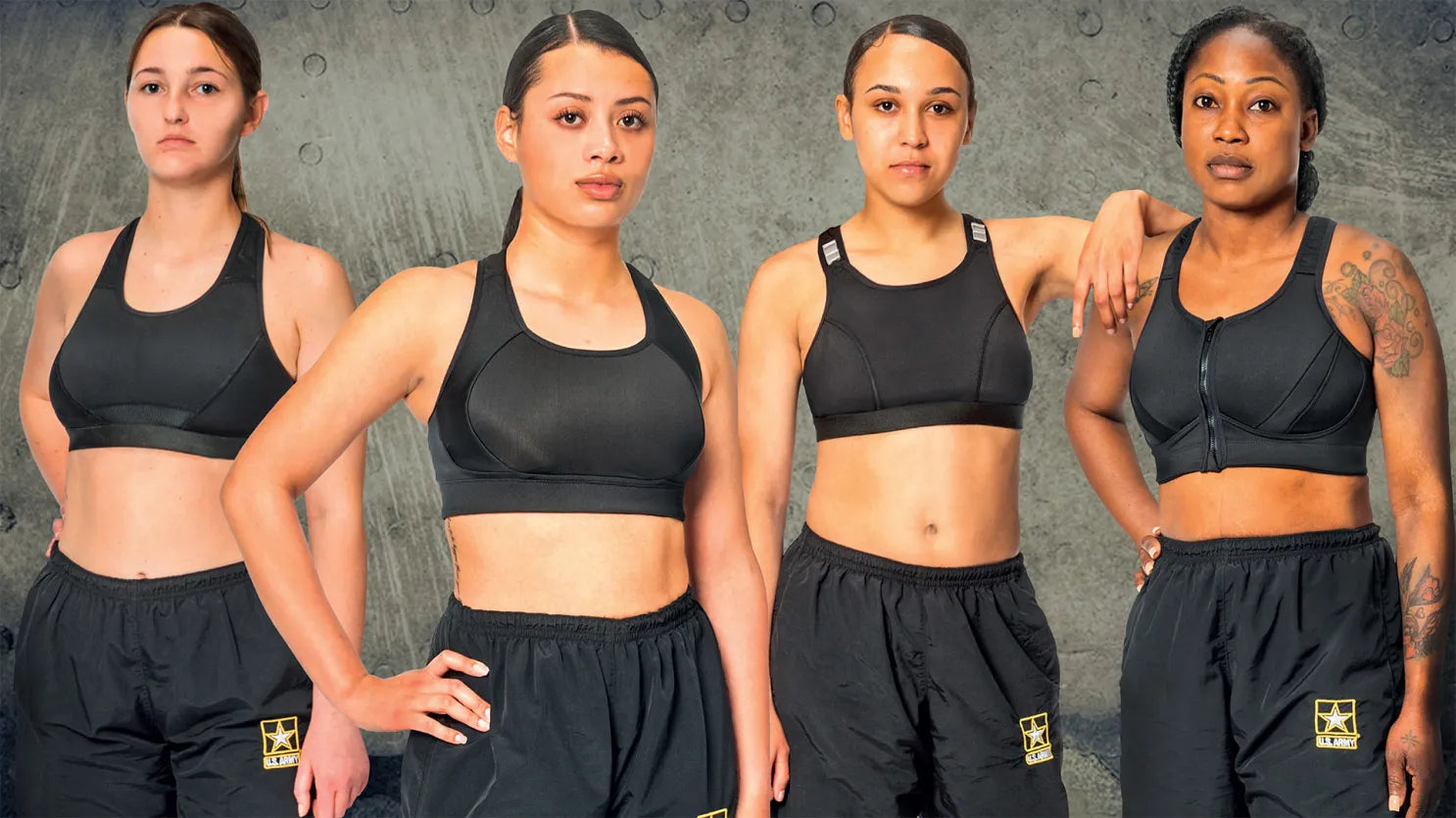
This study is the first of its kind to biomechanically examine how different types of bras interact with body armour. These findings create a foundation for breast support specialists, such as Tigers Eye, to develop products that more specifically meet the needs of women in critical service roles.

As part of the same NEPRO3 project, Dr. Burbage worked with the University of Lincoln to develop a breast health education package for police staff as part of the College of Policing internal training platform, publicly available on the National Police Wellbeing Service website. The programme aims to shift the perception of bras from being seen as mere underwear to being recognised as an essential part of the daily uniform.
Dr. Yvonne Taylor, Chief Inspector for the National Police Wellbeing Service, said: “We’re excited to be working with world-leading experts in the field of biomechanics at the universities of Portsmouth and Lincoln on this project. Our goal is for all females in policing to have access to useful breast health resources and information, no matter what force they’re in.”
Dr. Burbage’s 3 evidence-backed tips for support under equipment
1. Avoid underwires – While they can offer support in everyday bras, underwires can dig in uncomfortably and even cut the wearer under body armour or heavy kit, especially during long shifts or high-movement tasks.
2. Choose bras that are easy to don and doff, with good adjustability - When you're getting dressed in a shared or time-pressured environment, ease of use matters. Look for bras with adjustable straps and underband. This allows for a more personalised fit and better long-term comfort, especially when worn under heavy kit.
3. Prioritise moisture-wicking, breathable fabrics – Under heavy or non-breathable equipment, overheating and chafing can be a real issue. Technical fabrics that manage sweat and reduce friction can make a big difference in comfort and skin health.
Leading change today & shaping the future of women’s kit
Most recently, in October 2025, Dr. Burbage spoke in the British Parliament and at the Sir John Moore Barracks Army Training Regiment (ATR) Winchester, both global military events hosted by Tigers Eye, where she highlighted the challenges faced by servicewomen and called on government and military leaders to provide proper kit and breast support.
“Our research has shown time and again that inadequate breast support is not just about discomfort – it has real consequences for performance, injury risk and long-term health....for servicewomen operating in high-stakes environments, these issues become even more critical. We’re proud to be working with innovators like Tigers Eye who are translating our scientific findings into practical solutions that make a genuine difference to women’s lives.” - Dr. Burbage
Looking towards the future, Dr. Burbage is leading a study in collaboration with Tigers Eye to evaluate how our specialist, high-support bra impacts comfort, performance, and protection when worn under body armour by officers in the Hampshire Police.
At Tigers Eye, we consider ourselves fortunate to be based in the same country as the world leading experts in breast health at the University of Portsmouth; Professor Wakefield-Scurr (The Bra Professor) and Dr. Burbage. We are looking forward to our continued partnership, future projects, and changing the world for women in the emergency services together.
Dr. Burbage’s wish is for breast support to become a standard consideration in the design and provision of occupational clothing and equipment, not just an afterthought. That means integrating breast support into the very fabric of uniform and armour design, ensuring women don’t have to compromise on comfort or performance.
“I would love to see more collaboration between researchers, manufacturers and the women who wear this kit every day. Their voices are essential in shaping solutions that actually work. Ultimately, I envision a future where breast health and support are recognised as fundamental to occupational wellbeing, just as they are in sport, and where every woman regardless of her role has access to the support, she needs to do her job confidently and comfortably.” - Dr. Burbage
Share this blog:
How Tigers Eye is Changing the World for Women in the Military and Emergency Services
This soldier had her breasts amputated due to body armour designed for men’s bodies: the consequences of ignoring female anatomy in the services