

Natalia Lishchyshena’s story started with one dream: to serve her country. This dream was realised but quickly turned into a nightmare.
She joined the Ukrainian Armed Forces in 2021 as a cleaner and quickly advanced to operator. During the first few days of the full-scale invasion when the war started, Natalia was on the first and second lines of defence. One day, she fell in her body armour, causing a hematoma on her breast (a localised swelling filled with blood).
“I didn’t think much of it. I had a bruise and contusion from body armour. It seemed like (...) nothing serious.” said Natalia in her interview.
She goes on to explain that soldiers often get injured and no mind is paid to it, as it’s just part of the job. She thought this, too, would be just another of those injuries.

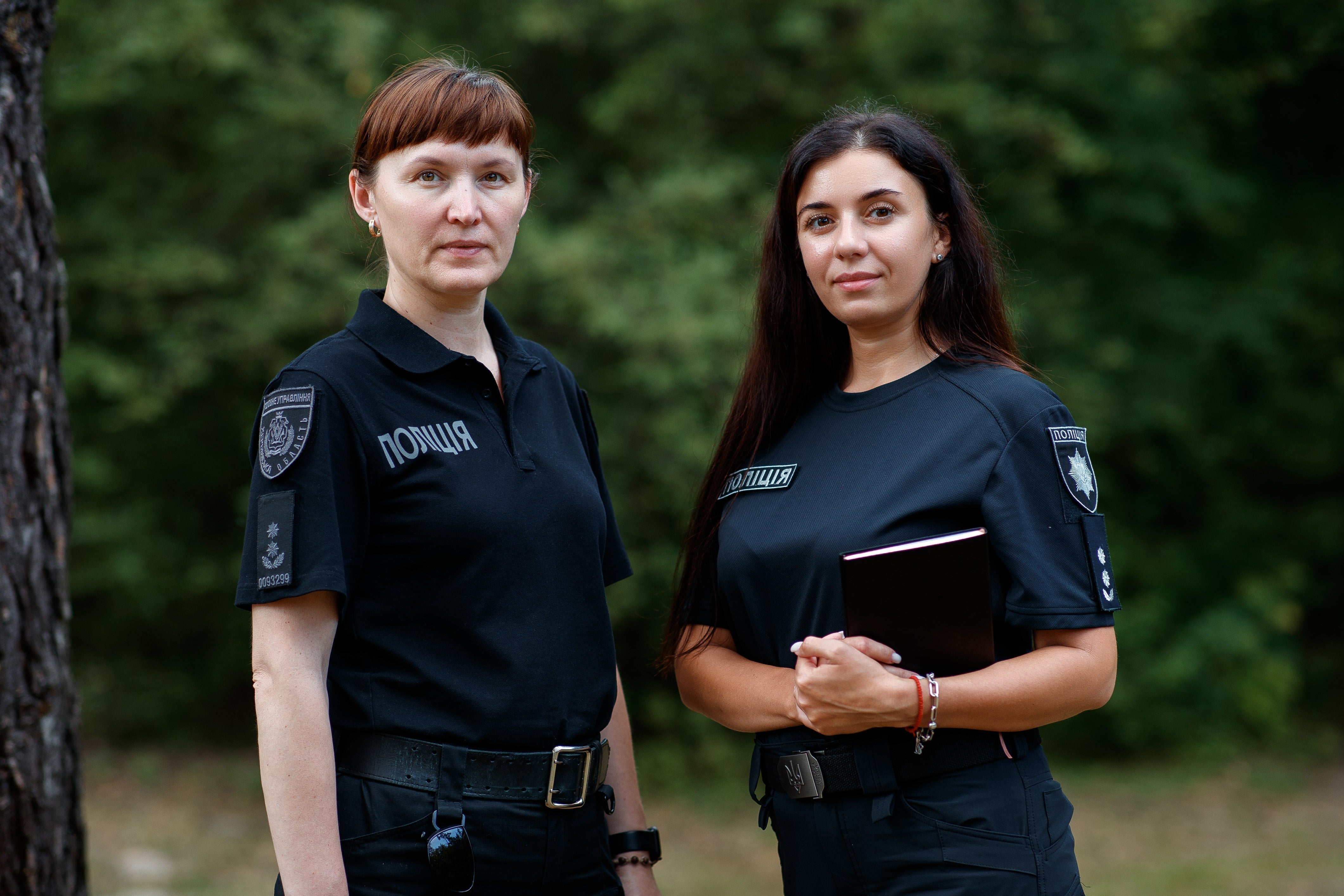
Photo Credit: Metinvest
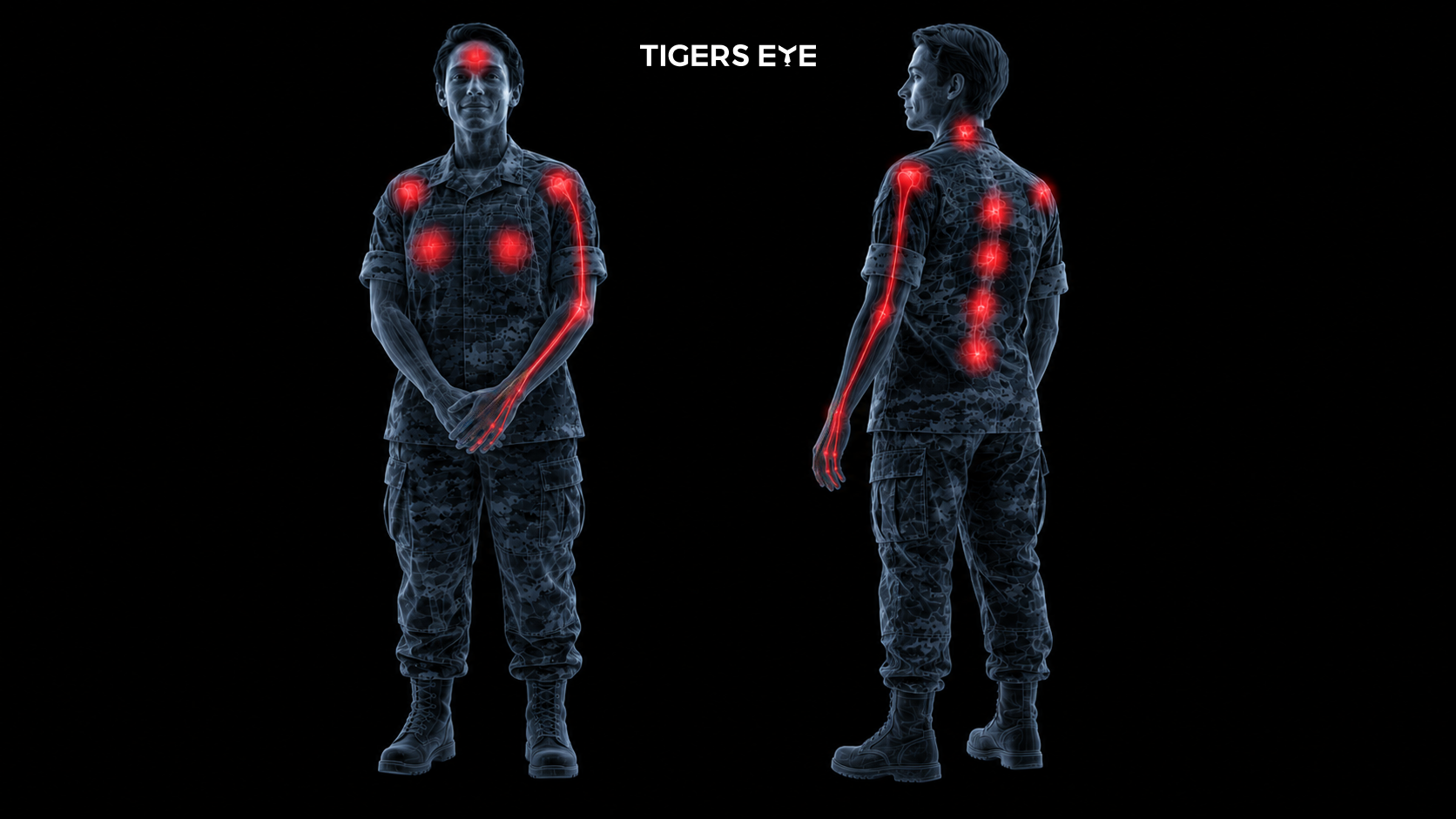
“The standard body armour doesn’t even always fit men, let alone women. For us, the breasts are constantly being squeezed”.
Two years into serving the frontline, Natalia had a medical examination, and she was diagnosed with papillary breast disease, known as “intraductal breast papilloma”. These are non-cancerous tumours that form in the milk ducts. This disease is characterised by yellow or red nipple discharge, but it’s often asymptomatic. These tumours can hide cells with the potential of becoming cancerous. Over time, this disease has a high probability of developing into a malignant tumour, causing cancer. For this reason, Natalia underwent two surgeries to fight this disease, the second being a full mastectomy, meaning her breasts were completely removed.

The main cause of Mintz disease is hormonal changes caused by extreme emotional stress. While simply wearing body armour does not cause breast cancer, in Natalia’s case, it was medically proven that falling in her body armour led to the hematoma, which developed into an intraductal breast papilloma, resulting in the full mastectomy to prevent the development of breast cancer, which she had a high risk of. Had the armour been developed for women’s bodies and included breast protection, all of this could have been avoided.
“I am limited in daily life. I cannot stand near heat, I cannot lift heavy objects, I cannot be in direct sunlight” says Natalia
Proving causation
As if recovering from two surgeries was not enough, Natalia now had to lead a bureaucratic fight to seek a sense of justice. She worked with doctors to prove that the standard-issue body armour was the cause of her disease, and they identified the need for further research into body armour being a risk factor for female soldiers, which Natalia would like to see brought before the Ministry of Health, but also the Ministry of Defence. Natalia won yet another fight and received a Group 2 disability. Her certificate mentions an illness linked to the defence of her country. Despite this, the government-provided silicone prosthetics “rub, leave scars and cause inflammation”. Natalia believes this isn’t the right solution, especially for women who serve their country.
Natalia’s story is still being written. She now carries yet another fight, this time, not for herself, but for other veterans. She currently works as a veteran-support specialist, helping others continue the fight. “I cannot work physically, so I work with my mind, as I say, and help others avoid what I went through” she tells her interviewers.
A special case or the only highlighted case?
Natalia’s story highlights the grave need for women’s specialised equipment in the services, especially on the frontlines. Unfortunately, her story is not the only one. At Tigers Eye, we work closely with women on the Ukrainian frontline, including soldiers, drone operators and combat medics. While Natalia’s case stands out as being the very first one to officially prove the link between body armour designed for the male body, and breast disease, many other women are suffering similar consequences related to kit and uniform made for men. To name one, Oleksandra has developed a hematoma in her left breast, also caused by body armour, while others like Maia and Daria talk about receiving inadequate uniform that isn’t even close to fitting their bodies.
A recent survey of the Ukrainian servicewomen brings statistics into the fight for women’s uniforms, which reflects these stories: 70% of female soldiers were issued body armour that does not fit, while 56% of those rated the body armour quality as low or very low. Read more about these statistics here.
A different solution
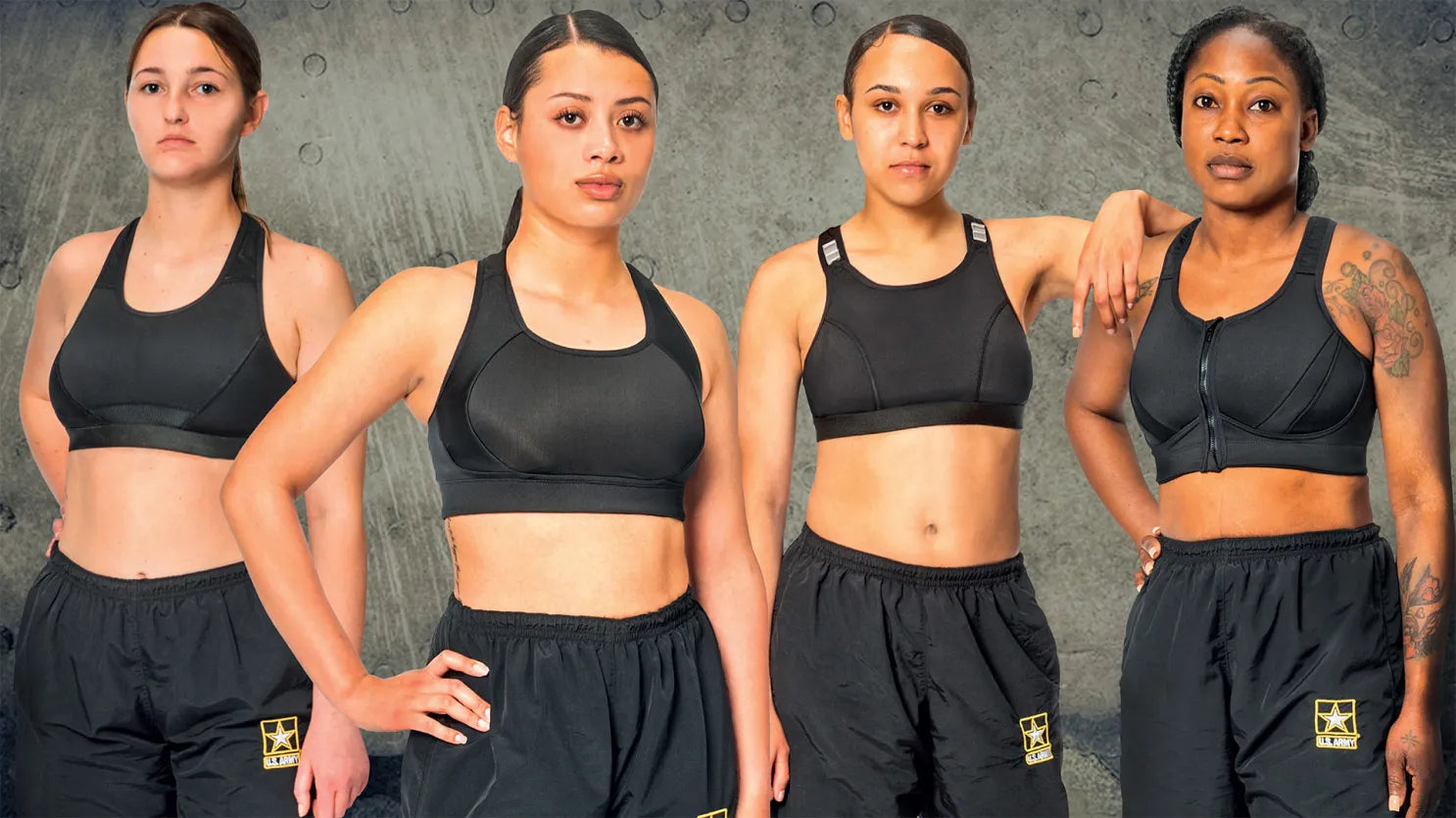
The story of male-designed kits affecting servicewomen’s health is not new. It is crucial that these stories are heard to bring to light just how important specialised women’s equipment is. At Tigers Eye, we are taking a slightly different approach to this. We have developed a specialised breast support system that integrates well with body armour and personal protective equipment (PPE). We have tested it on the Ukrainian frontline and also during body armour police trials. The feedback is already demonstrating that women are happier with their body armour when the bra worn underneath is designed to protect their breasts and relieve the pain and pressure caused by standard body armour. The feedback gathered is used to design the next generation of armour-integrated breast support, which provides a more affordable alternative to women’s body armour, which is still hard to acquire on the frontline. We are looking forward to publishing the results.
The future of breast prosthetics in the services?
Just like body armour, when proper breast support is introduced, prosthetics are less likely to move around and chafe. Tigers Eye is currently working on testing a mastectomy bra that allows prosthetic wearers to take part in physical activity without worrying about prosthetics showing, slipping or rubbing. The base of this bra is rooted in our military bra, therefore it has the potential to serve as a solution for servicewomen who wear breast prosthetics, even under body armour.
Share this blog:
Sports Bras Under Body Armour: Expert Insights on Support, Safety & Performance from Dr. Jenny Burbage
Fit to Defend: How Military Kit Is Failing Women on the Frontline