

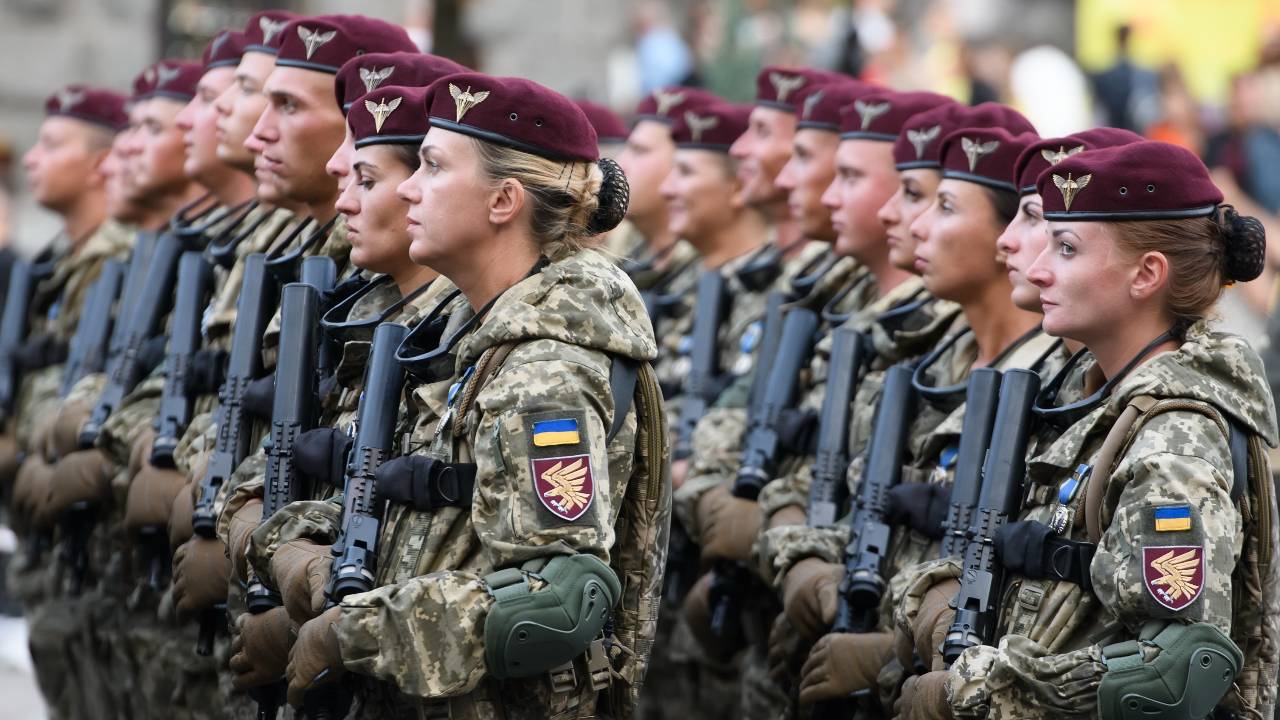
When people think of women in the Ukrainian Armed Forces (AFU), they often picture support roles: medics treating the wounded, logistics staff keeping the supply chain moving. The reality on the ground is considerably more complex, and considerably more impressive.
Ukraine's full-scale war with Russia has produced one of the most significant expansions of female military participation in modern history. It has also produced something quieter and less frequently reported: the emergence and consolidation of all-female and majority-female operational units doing some of the most demanding work in the conflict.
This is their story. And it comes with a problem that cannot be ignored.
The Scale of Women's Participation in Ukraine's War
Over 70,000 women are currently serving in the Ukrainian Armed Forces, with more than 5,500 deployed on the front line (Ministry of Defence of Ukraine, 2025).
Female participation increased by approximately 40% between 2022 and 2024, driven by a combination of expanded legislation, operational necessity, and the sheer number of Ukrainian women who stepped forward to serve their country.
Women in the AFU now hold thousands of leadership positions. They serve as snipers, drone operators, intelligence analysts, combat medics, and infantry commanders. This is not integration in theory. It is integration at war
Taira's Angels: The Medic Unit That Operated Under Fire
One of the most documented all-female operational teams in the conflict is the volunteer medic unit founded by Yuliia Paievska, known internationally as Taira.

Paievska first served as a volunteer medic during the 2013 EuroMaidan protests in Kyiv. When conflict spread to eastern Ukraine in 2014, she moved to the front lines and founded Taira's Angels, a volunteer ambulance unit that evacuated and treated hundreds of wounded soldiers and civilians in active combat zones over the following years.
By the time the full-scale invasion began in 2022, Taira's Angels were operating in Mariupol during the siege, one of the most brutal urban combat environments of the modern era.
Buildings were falling. Civilians had no food, water, or medical care. Paievska kept moving through the chaos, wearing a body camera that captured over two gigabytes of footage documenting the human cost of the siege. That footage was smuggled out of the city and shared with international media.
She was subsequently captured by Russian forces while attempting to help a wounded civilian and consequently spent 94 days in captivity.
After her release in a prisoner exchange announced by President Zelenskyy, Paievska became one of the most prominent advocates for servicewomen operating with equipment not designed for their bodies. In October 2025, she travelled to the British Parliament as a guest of Tigers Eye to speak directly to MPs about the operational consequences of body armour designed for men.
All-Female Units Beyond the Headlines
Taira's Angels are the most internationally recognised example, but they are far from the only ones.
The Ukrainska Pravda and independent defence media have documented multiple units in which women constitute the majority of operational personnel, particularly in drone warfare, reconnaissance, and frontline medical evacuation. Female drone operators have become a significant and growing presence in Ukraine's asymmetric warfare strategy, where smaller physical stature, fine motor precision, and the ability to remain stationary and focused for extended periods have proven operationally valuable.

All-female sniper teams have also been documented operating on the eastern front, and female intelligence officers have played key roles in several reported counterintelligence operations.
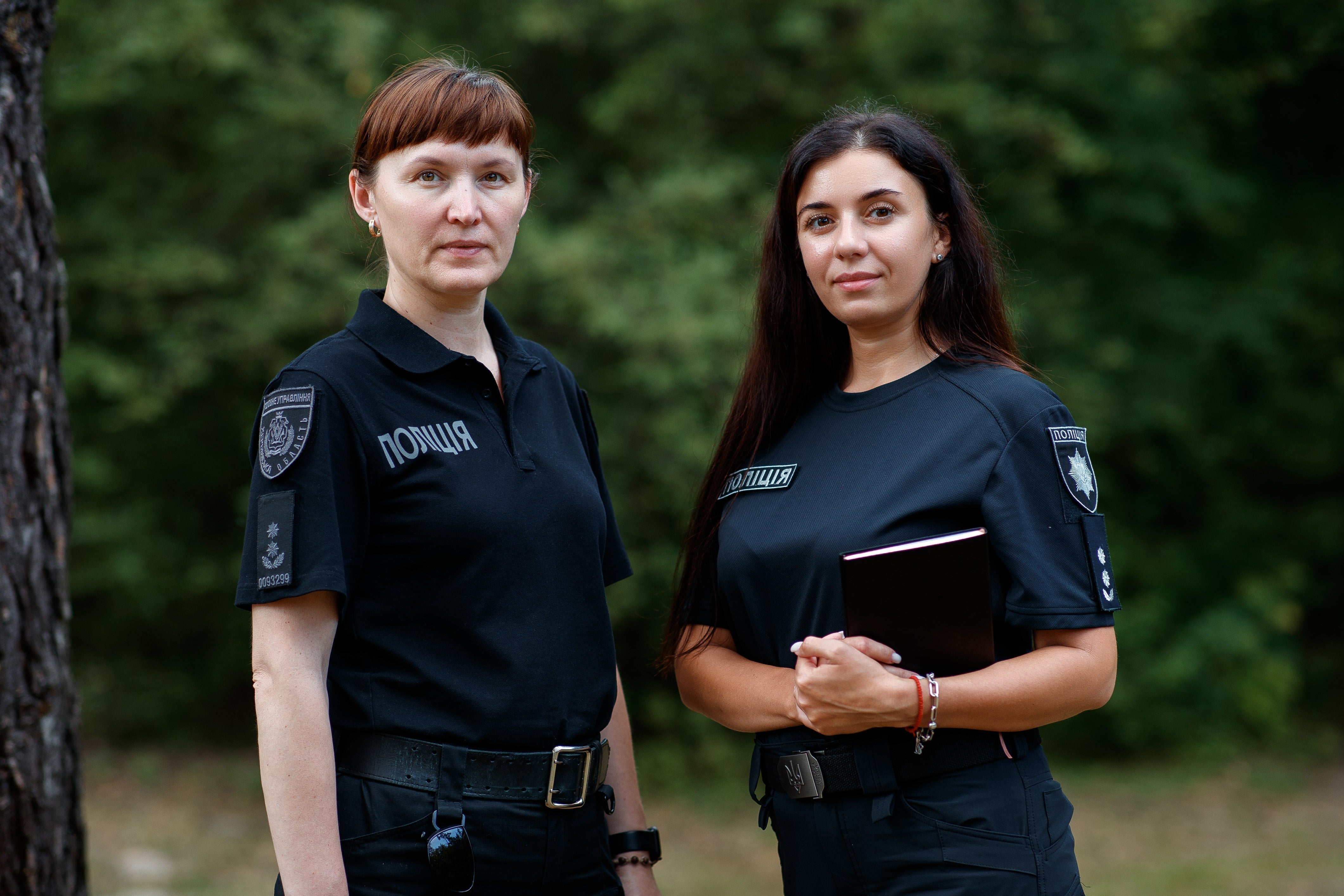
The Ukrainian national police has its own parallel story. Over 27% of the National Police of Ukraine are women. Units of female officers have served in active conflict zones, some receiving international recognition, including awards presented at the International Association of Women Police conference in Glasgow, where Ukrainian policewomen were honoured for their conduct under extraordinary operational conditions.
What They Face: The Equipment Problem
Here is where the story becomes harder to tell, and more important to hear. A 2025 survey of 64 active Ukrainian servicewomen revealed a picture of systemic equipment failure:
→ 86% were never measured before kit was issued
→ 70% said their body armour did not fit properly
→ 56% rated the quality of that armour as low or very low
→ 42% received no women-specific underwear from the state at all
→ Of those who were issued a bra, only 10.8% received the correct size
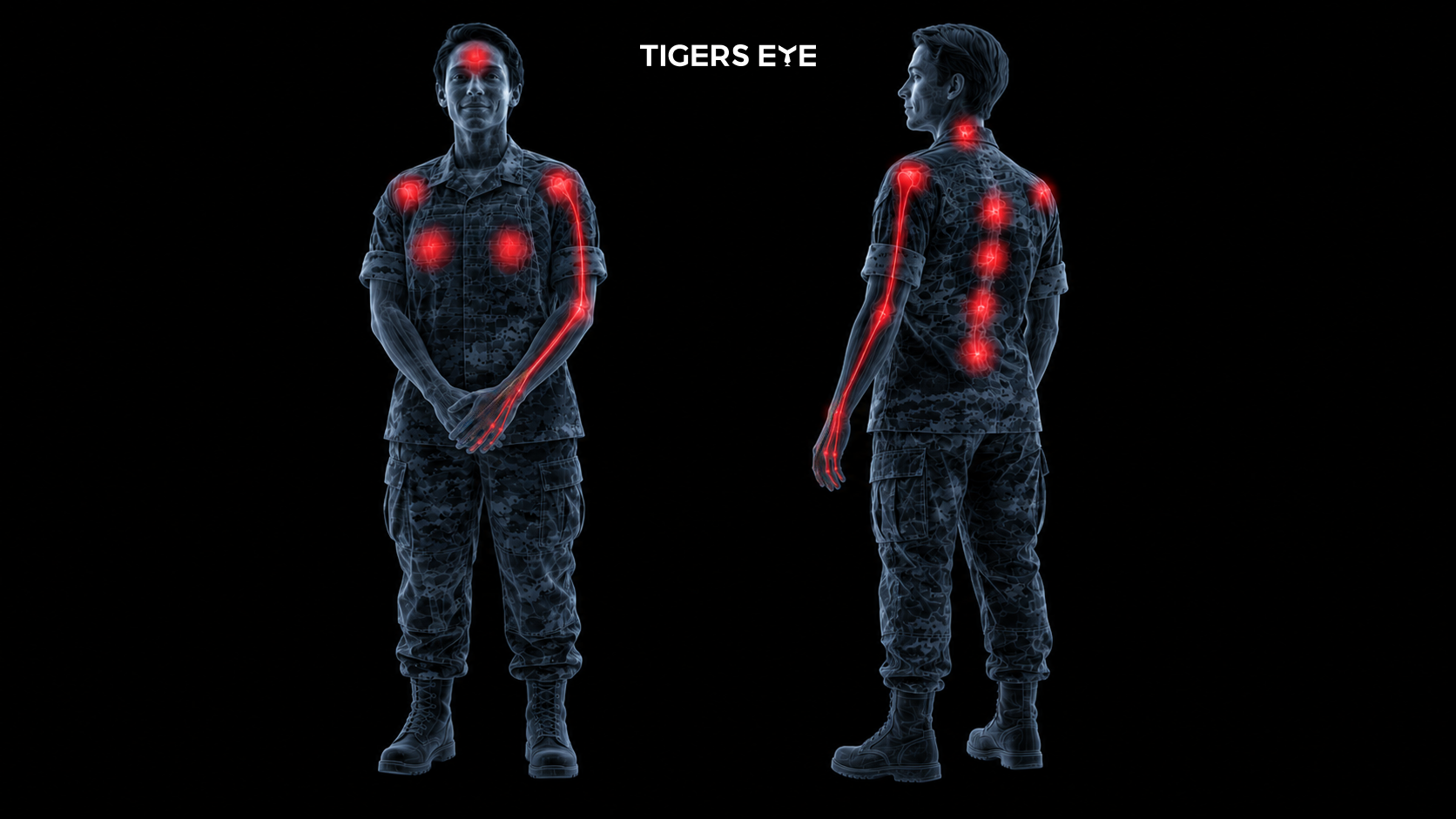
Standard AFU body armour weighs approximately 10.5kg and was engineered for a male torso. On a woman, the chest plate does not sit flat. Instead, the weight presses directly onto breast tissue, compressing it, restricting chest expansion, limiting shoulder rotation, and accelerating fatigue during sustained operations.
The consequences have been medically documented. Natalia Lishchyshena became the first servicewoman in Ukraine to officially prove a legal link between standard-issue male body armour and a service-related breast disease. She underwent a full mastectomy.
Another servicewoman, Oleksandra, developed a hematoma in her left breast caused by armour impact. Others describe constant pain, skin breakdown from chafing, and difficulty breathing under exertion.
These two women are just the beginning. Now that it has been proven poor kit causes women's health issues, forces and militaries all around the world should prepare for lawsuits.
What is Being Done
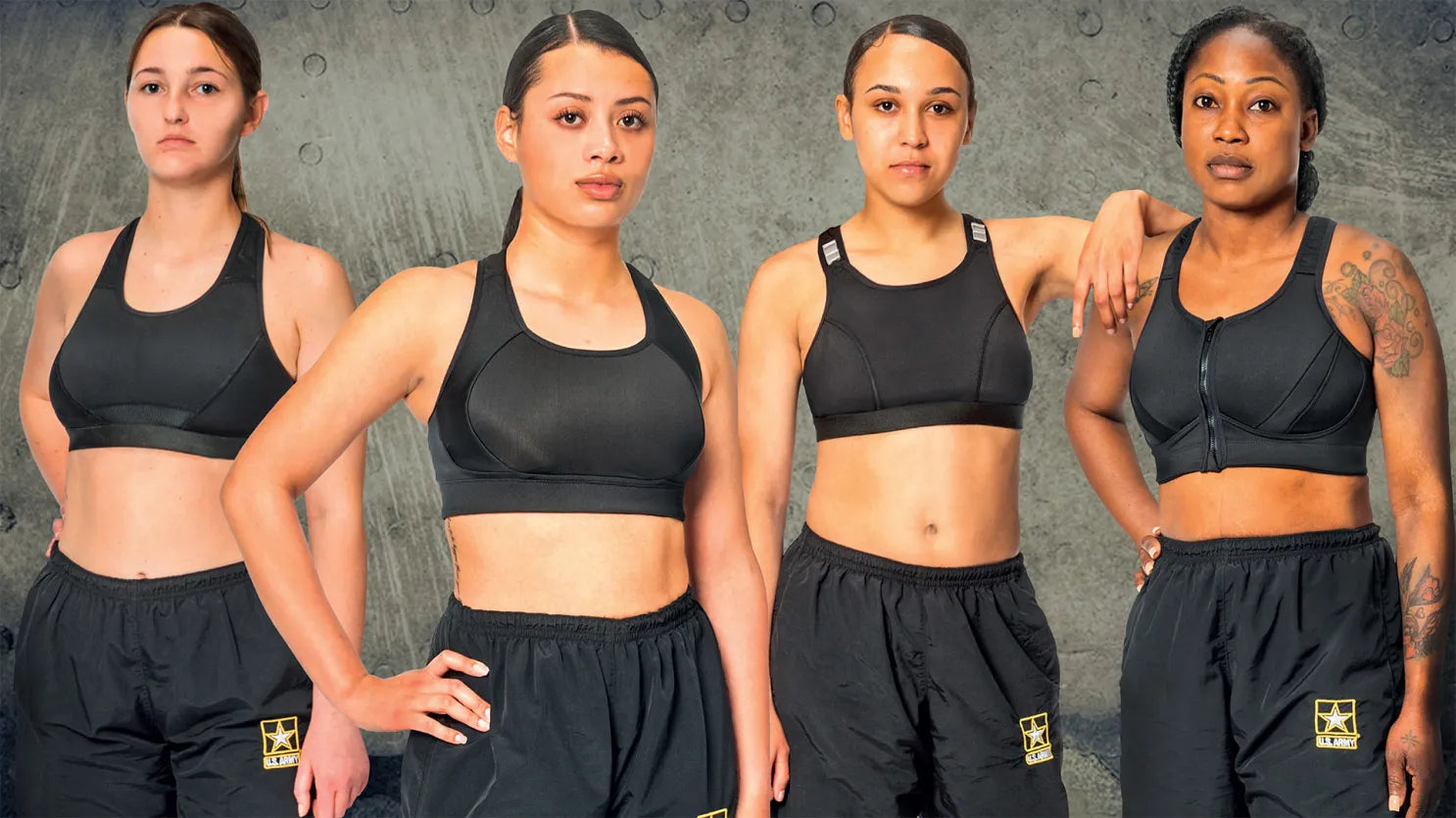
Tigers Eye has been working directly with Ukrainian servicewomen and combat medics since 2024, providing the Breast Support System (BSS) - the world's first commercially available bra engineered specifically to be worn under body armour - for use in active combat conditions.
Feedback from servicewomen on the frontline has been clear: the BSS reduces the physical cost of wearing standard-issue armour on a female body. It does not replace the need for female-specific armour. But it closes a critical gap that has been open since the first woman put on a plate carrier.
The work being done by Ukraine's servicewomen is extraordinary, but the equipment gap they operate within is not. It's important to recognise that their achievements didn't come without sacrifice to their health, caused by working in high-demand environments with kit designed for an anatomically different body. This is a procurement failure that every military with women in its ranks needs to consider.
Why This Matters Beyond Ukraine
Ukraine's situation is extreme in its scale and urgency. But the underlying problem - women integrated into combat roles, equipped with gear designed for men - is not unique to Ukraine.
It exists in the United Kingdom, in the United States, in every NATO country currently trying to recruit more women into its armed forces while failing to redesign the supply chain that serves them.
Ukraine's servicewomen are not a cautionary tale. They are evidence of what women can do in operational environments. They are also evidence of what happens when a supply chain doesn't keep up.
The question for every other military watching is simple: are you going to wait until you have a Natalia before you act?
Get in touch today to hear how we can help you avoid that situation.
Share this blog:
Why Servicewomen Leave: The Hidden Cost of Ill-Fitting Kit on Retention
What Body Armour Does to the Female Body: The Science