

In 2022 during the siege of Mariupol, as buildings fell and civilians were trapped without food, water or medical care, one woman kept moving through the chaos to save lives.
Her name is Yuliia Paievska. The world knows her as Taira. She is a Ukrainian combat medic, a former prisoner of war, and a woman whose courage has come to symbolise humanity in the darkest conditions of war.

From protest medic to battlefield responder
Taira first served as a volunteer medic during the 2013 EuroMaidan protests in Kyiv. When conflict spread into eastern Ukraine in 2014 she moved to the front lines, founding a volunteer ambulance unit known as Taira’s Angels. Her team evacuated and treated hundreds of wounded soldiers and civilians in active combat zones.
 She also trained more than one hundred medics in tactical lifesaving skills, passing on knowledge that would save lives long after she left each location.
For Taira, service was never theoretical, but practical, immediate, and often carried out under fire.
Filming Mariupol so the world could see
During the siege of Mariupol in 2022, Taira wore a body camera as she worked. Over two weeks she recorded hundreds of gigabytes of footage showing frantic attempts to save the injured in impossible conditions. That footage was smuggled out of the city and shared with international media so the world could see the human cost of the siege.
 Click to watch video
Soon after, she was captured by Russian forces while attempting to help a wounded civilian. She spent ninety-four days in captivity.
When she was released in a prisoner exchange announced by Volodymyr Zelenskyy, her story became known across the world. She later spoke publicly about the treatment of detainees and the denial of medical care she witnessed inside captivity.
Her voice carried the authority of someone who had lived through what others could only read about.
Why her story reached the British Parliament
In October 2025, Taira travelled to the British Parliament as a personal guest of Tigers Eye to speak directly to MPs.
 She did not come to talk about bravery. She came to talk about equipment.
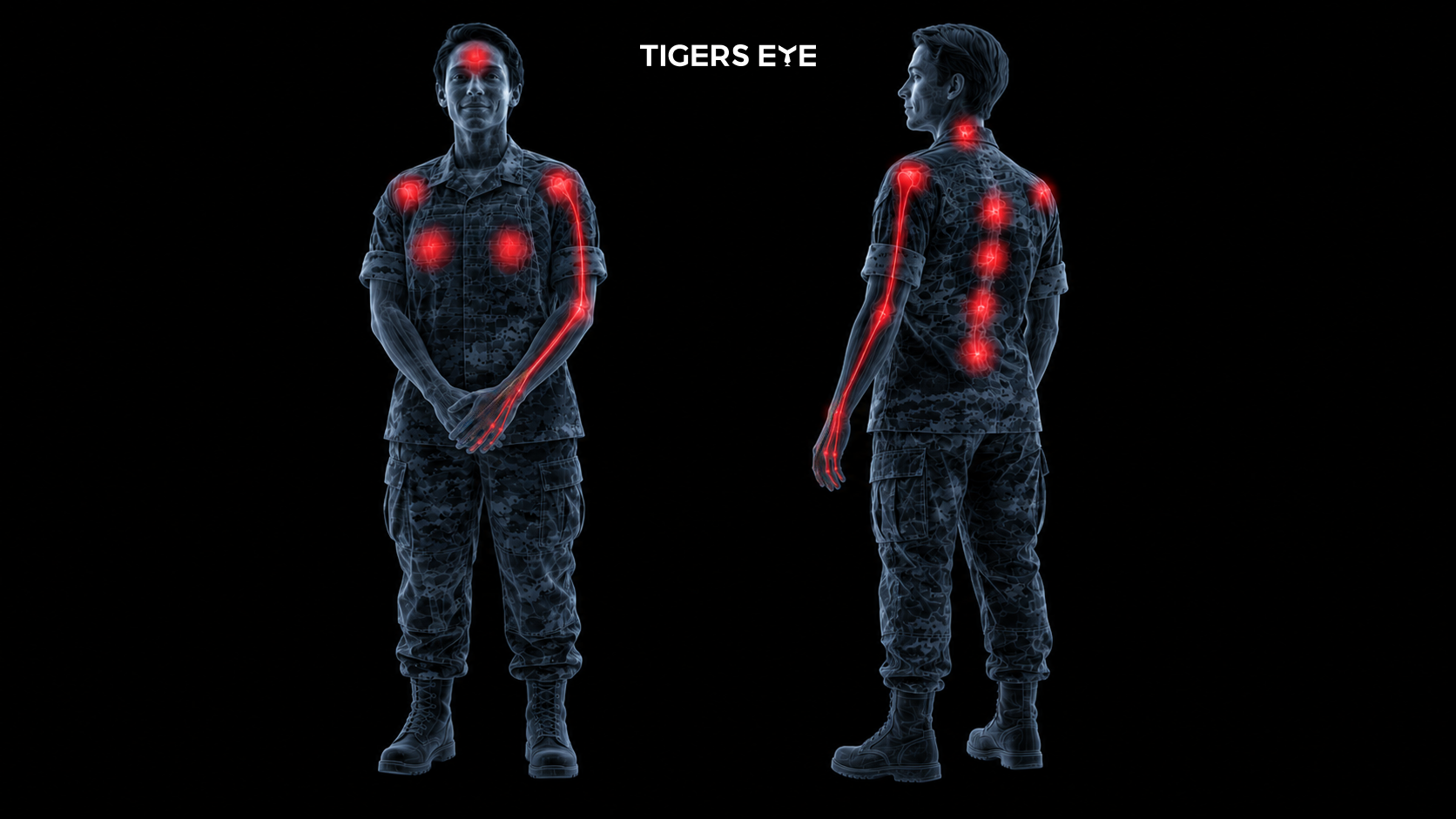
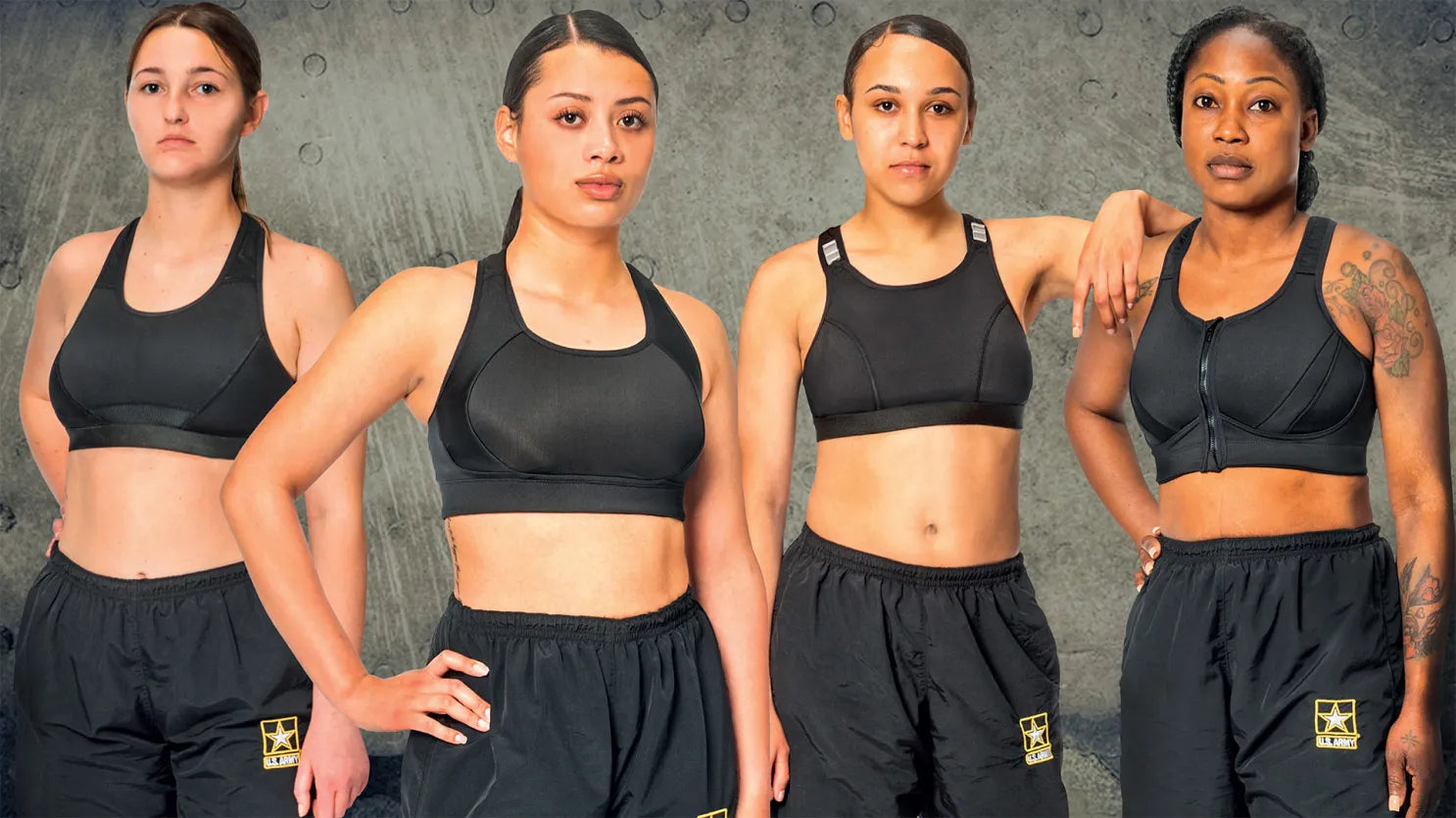
About body armour and load carriage designed for male bodies. About how poor breast support under heavy tactical kit changes how women breathe, move, carry weight, and perform when lives depend on it.
Her experience made one thing clear to everyone in the room: when equipment fights the body, performance suffers.
Alongside presentations from researchers from Lancaster University and the Research Group in Breast Health at the University of Portsmouth, her testimony connected lived experience with scientific evidence in a way that could not be ignored.
Continuing the conversation in Winchester
Taira also joined Tigers Eye in Winchester at Sir John Moore Barracks, where she shared her story with over 300 active-duty service members, from entry-level recruits to senior enlisted and officers. There, away from the formality of Parliament, the troops heard directly what it means to operate in combat while managing kit that was never designed with female anatomy in mind.
Her message was consistent. This is not about comfort, it's about capability.
Why Taira’s voice matters to Tigers Eye
Taira represents every woman who has had to adapt to equipment that does not fit her body while still being expected to perform at the highest level, in the most crucial conditions, with lives at risk.
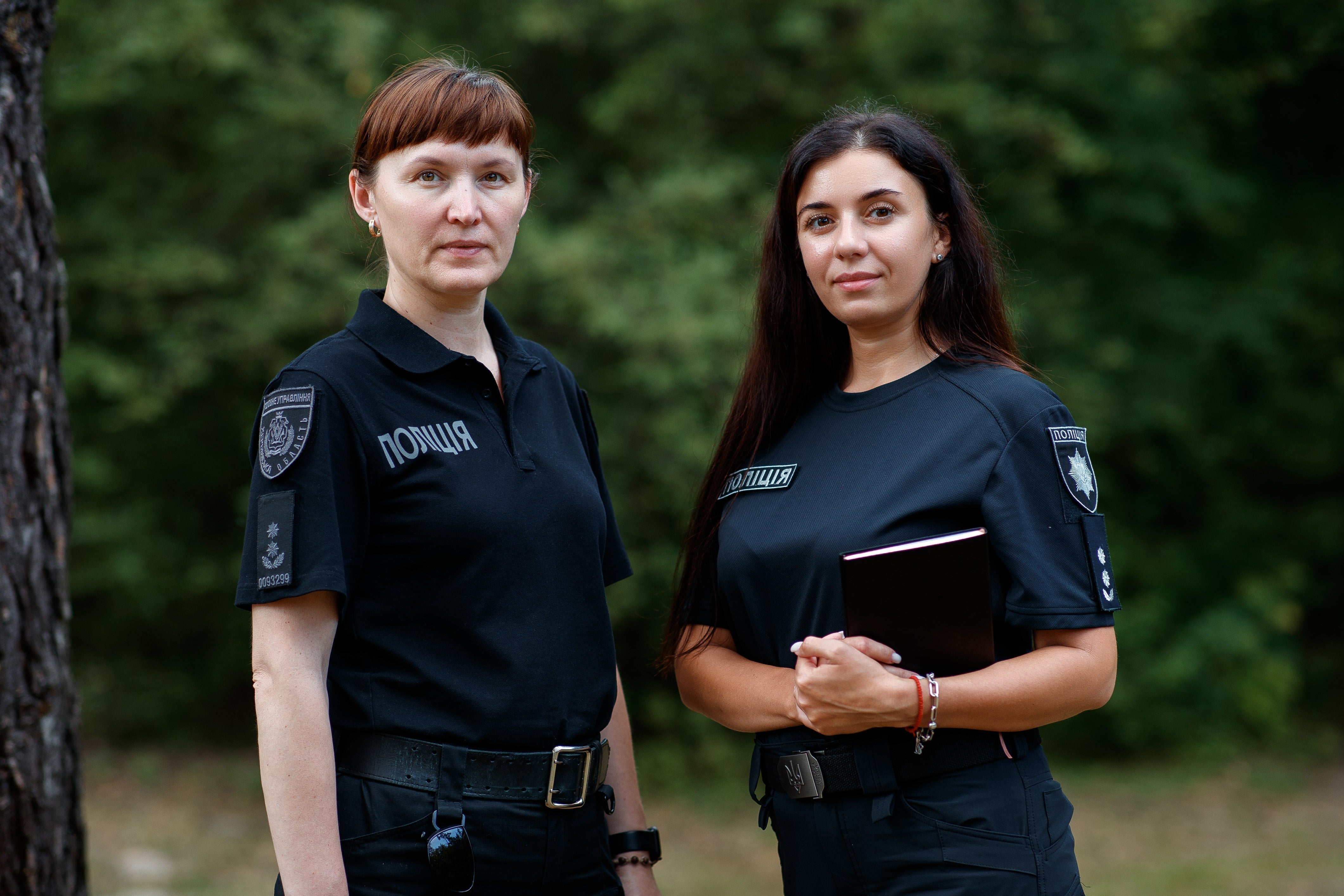
Her story is extreme. But the issue she highlights is everyday for thousands of servicewomen, police officers, firewomen, medics, and first responders.
At Tigers Eye, we believe breast support is not an optional extra. It’s functional equipment that affects movement, endurance, and long-term health.
Taira’s experience shows what happens when that support is missing in the most demanding conditions imaginable, and why that must change.
Share this blog:
Fit to Defend: How Military Kit Is Failing Women on the Frontline
The Chronological Timeline of 'Firsts' for Women in the Military