

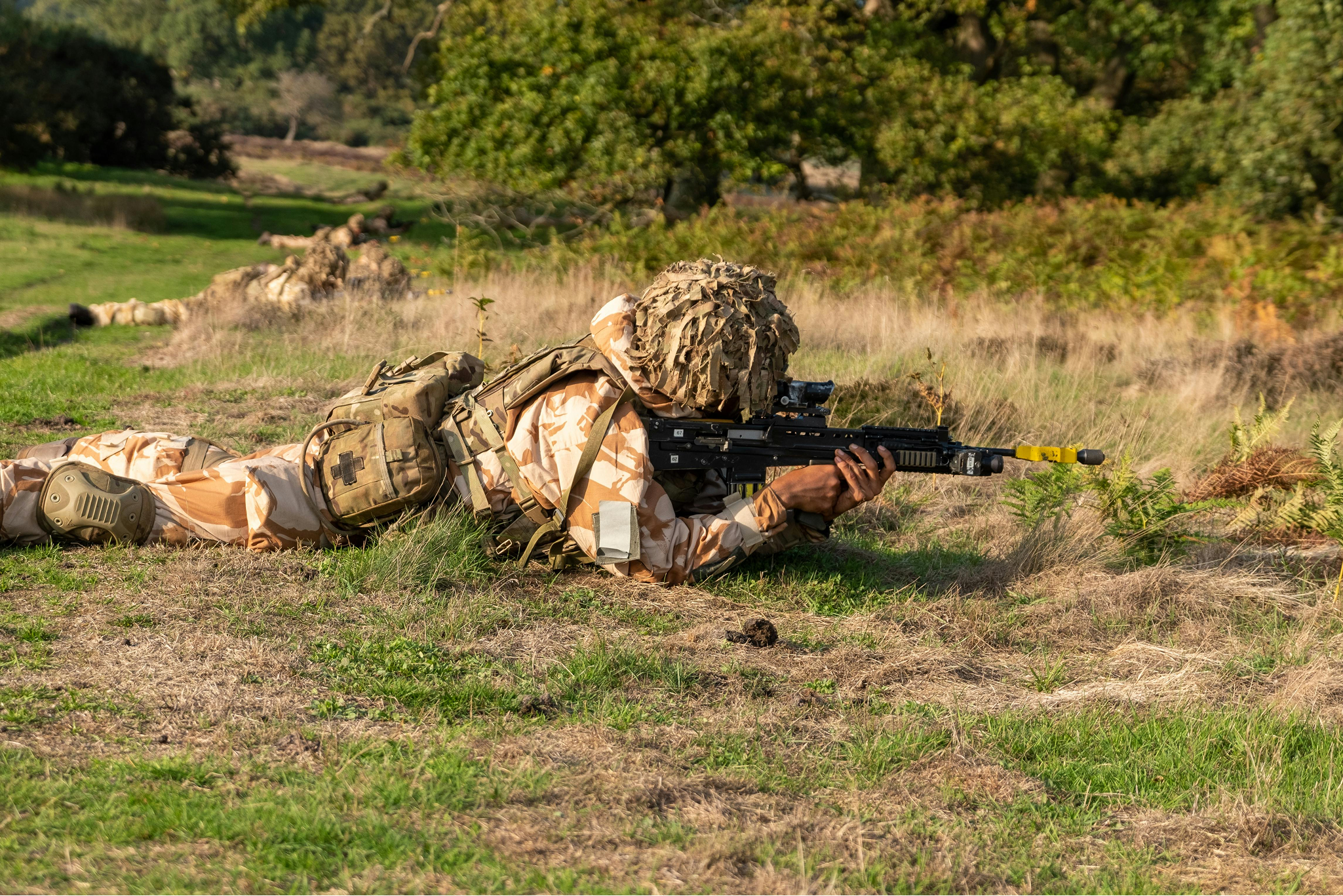
Ukraine's war since 2022 has become one of the most important case studies in modern military history for the integration of women in combat, and for the consequences of failing to equip them properly.
Over 70,000 women are currently serving in the Ukrainian Armed Forces, with more than 5,500 deployed on the front line (Ministry of Defence of Ukraine, 2025). Female participation rose approximately 40% between 2022 and 2024. Women hold thousands of leadership positions and operate across combat, medical, and intelligence specialisations.
Yet the supply chain did not move with them.
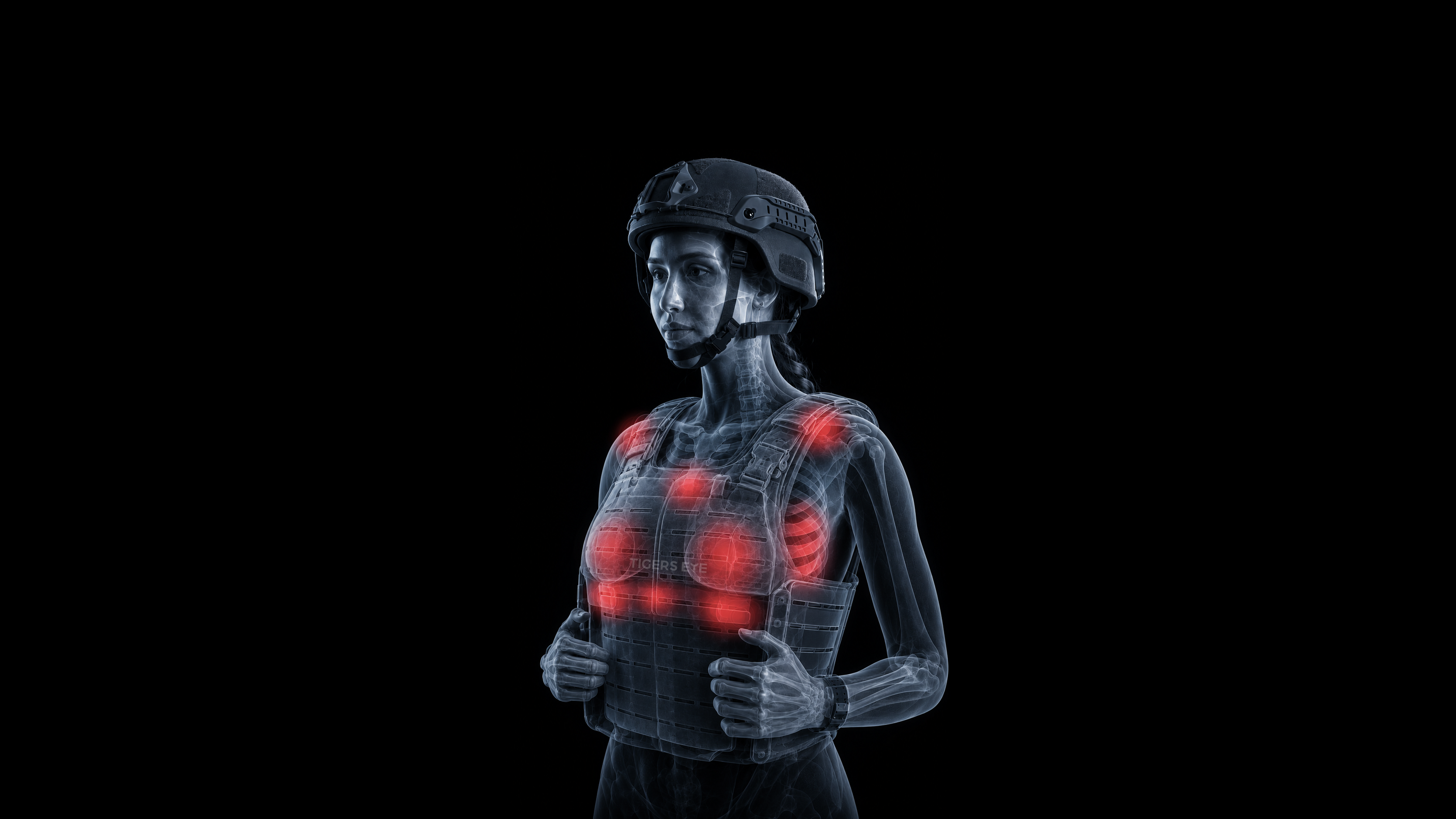
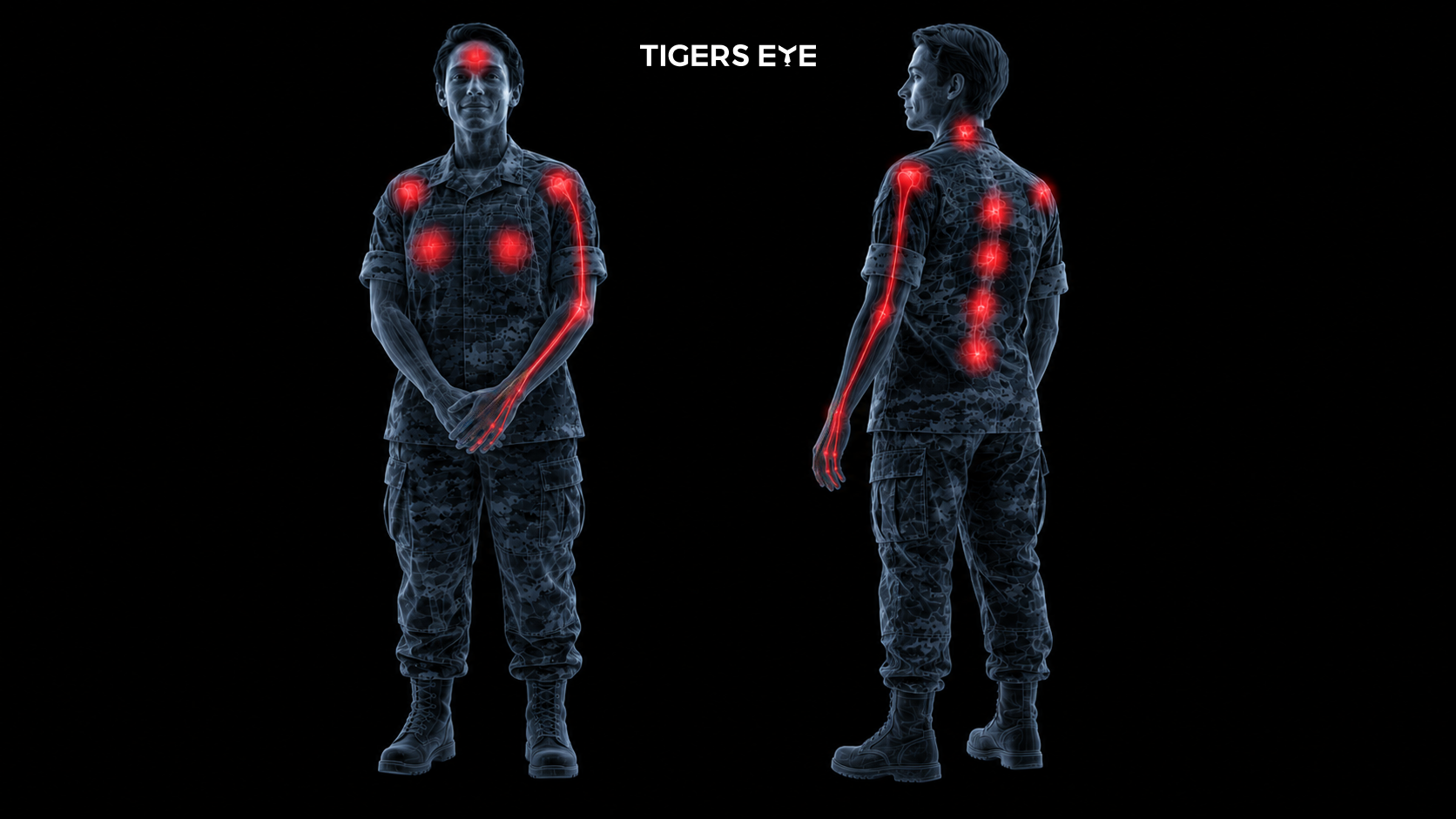
A 2025 survey of active Ukrainian servicewomen found that 86% were never measured before kit was issued, 70% received body armour that did not fit, and 42% received no women-specific underwear from the state at all (State Watch, 2025). Standard body armour, weighing approximately 10.5kg per set, was engineered for a male torso. On a woman, it presses directly onto the chest, restricting breathing, compressing breast tissue, limiting range of motion, and increasing fatigue during prolonged operations.
The consequences have been documented and, in some cases, medically proven. Natalia Lishchyshena became the first servicewoman in Ukraine to officially establish a legal link between standard-issue male body armour and a service-related breast disease - intraductal papilloma - which required a full mastectomy. Oleksandra developed a hematoma in her left breast, also caused by armour. Others describe simply enduring pain, spending personal funds on alterations, or adapting to kit that was never designed for them at all.
Two women-specific armour prototypes were certified by the Ukrainian Ministry of Defence by early 2024 (Ministry of Defence of Ukraine, 2023; Kushnikov, 2024). Neither has entered central procurement. Over 150,000 male-standard sets were purchased in the first ten months of 2024 alone (State Watch, 2025).
The Ukrainian case does not represent failure. It represents the true cost of a procurement system that moved slower than the women it was supposed to serve.

The Equipment Gap That Still Exists
Even in military forces with the most advanced gender integration policies, the equipment gap persists:
Body armour fit: Female soldiers wearing standard-issue vests report armor riding up under load, obscuring vision, and skin scarring from sustained chafing, increasing injury risk during operations (Mitchell, 2025).
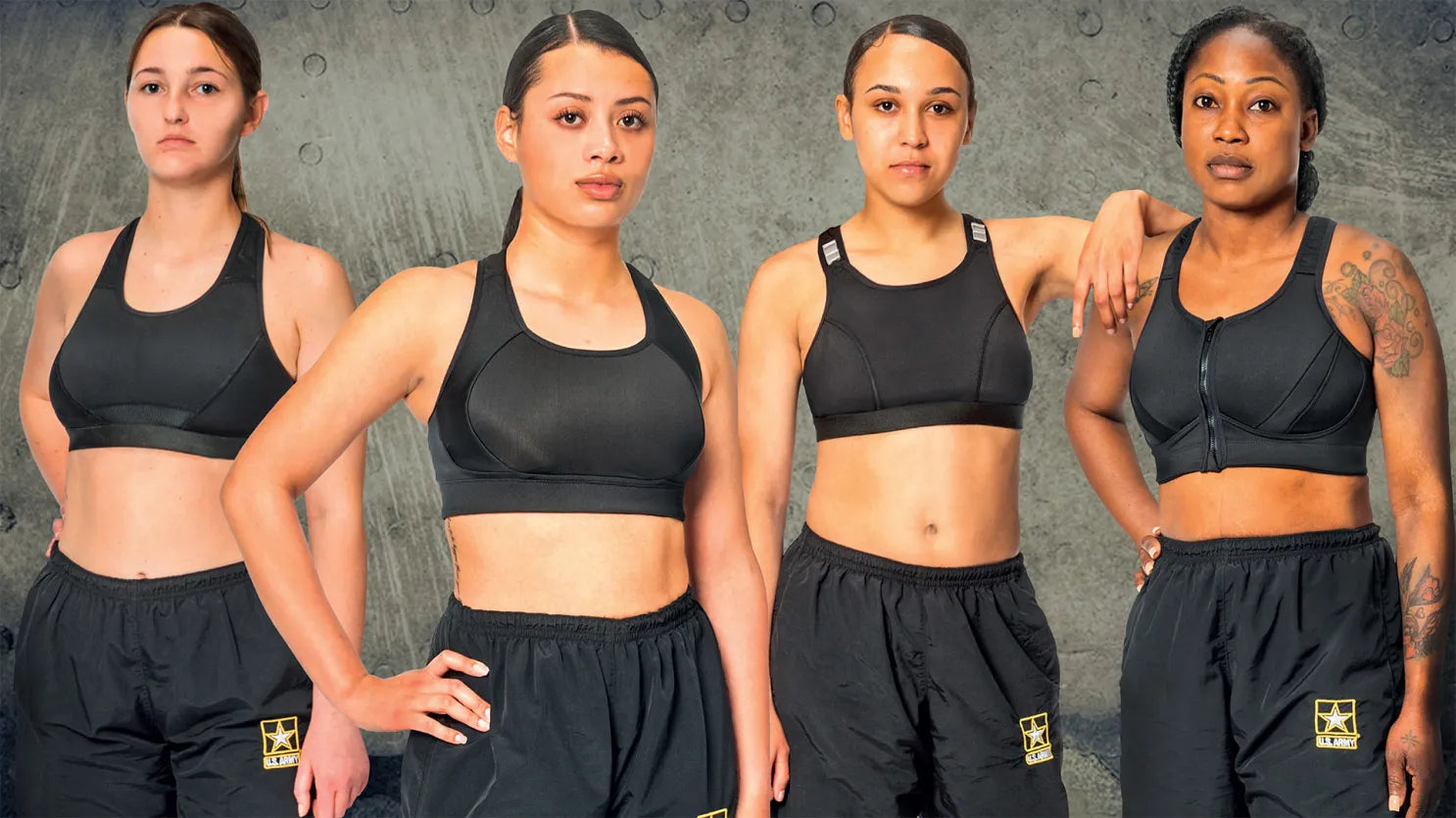
Breast protection: The US Army's ATB prototype (2022) remains in limited development. Most servicewomen rely on commercial sports bras not designed for operational conditions or load carriage.
Uniform sizing: Hot-weather and cold-weather kits are frequently sized to average male measurements, requiring women to tailor or layer ill-fitting clothing.
Procurement cycles: Centralised procurement continues to default to "one-size" solutions, slowing the adoption of gender-adjusted gear even when it exists.
The result is consistent and avoidable: women operate with equipment that was not designed for their bodies, incurring higher injury rates, reduced mobility, and lower operational endurance.
So What?
Women have been serving officially and unofficially for 250 years. They have been legally eligible for all combat roles in both the US and UK for just over a decade. The commitment to increase female participation is now formal policy: the UK has set a target of 30% female recruits by 2030, and Canada has committed to 25% by 2026.
But targets mean nothing if the supply chain doesn't follow.
Women are not the capability gap in modern militaries. Ill-fitting equipment is.
After more than two centuries of first - first nurse, first enlistee, first combat pilot, first infantry graduate, first special forces operator - the final frontier is not policy. It is the equipment on her body when she goes to work.
Gear that fits and works isn't a welfare issue. It's a readiness requirement.
Share this blog:
The Chronological Timeline of 'Firsts' for Women in the Military
Why Servicewomen Leave: The Hidden Cost of Ill-Fitting Kit on Retention